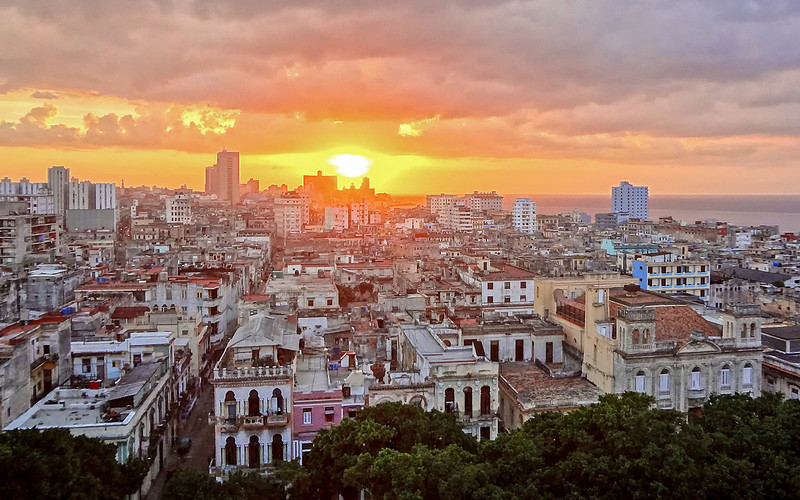
Arriving in Havana is like stepping into a movie set with a temps perdu atmosphere that harkens back to the 1950s, a photographer's promised land. Old American cars zoom past Soviet-made Ladas; propaganda posters extolling the virtues of the Revolution adorn the city streets; a few bright, recently renovated buildings stand out in a drab sea of dilapidated splendor that makes La Habana Vieja a doleful shadow of its former colonial glory.
 Cuba is a place where rum is cheap, baseball is king and music is everywhere. It is an island of raw beauty with kaleidoscopic ethnic diversity and no political pluralism. It is a country where there is both too much law and order and too little; an ostensibly egalitarian society with peculiar economic incentives that have unwittingly created an "upper class" of chambermaids and bartenders whose incomes far surpass those of top brain surgeons.
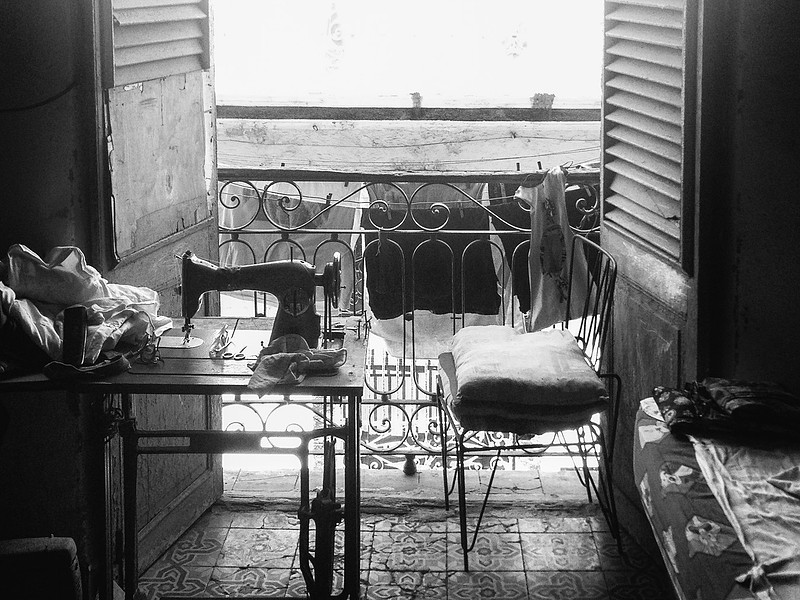
Cubans joke that they are a first world people trapped in a third world country. Indeed, Cuba is a land of paradoxical contrasts. It is perhaps the only place on earth where you can live in the house of a millionaire and have the living standard of a homeless person. But the grand belle epoque mansions of Vedado stand in stark contrast to the crumbling facades of the crowded, barely inhabitable tenements of Old Havana.
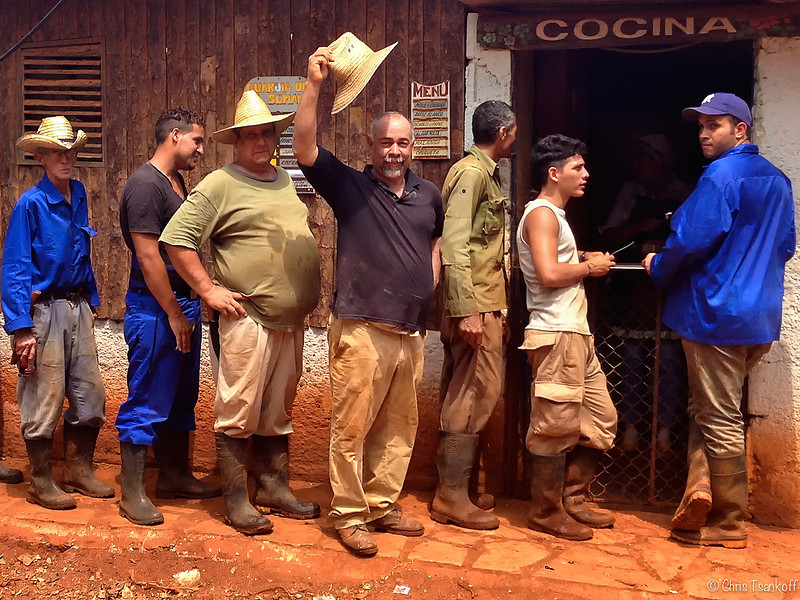
While the urgent need to reform the inefficient state-run economy cannot be overstated, glimpses of success can be seen in the sophisticated paladares that serve superior cuisine (at a hefty price) and co-operative farms, which flourish with little or no government assistance. I was fortunate to spent a day at one of these farms and had the chance to meet the farm workers during their lunch break before departing for Cienfuegos.